

What Operational Control Really Means in a Professional Kitchen
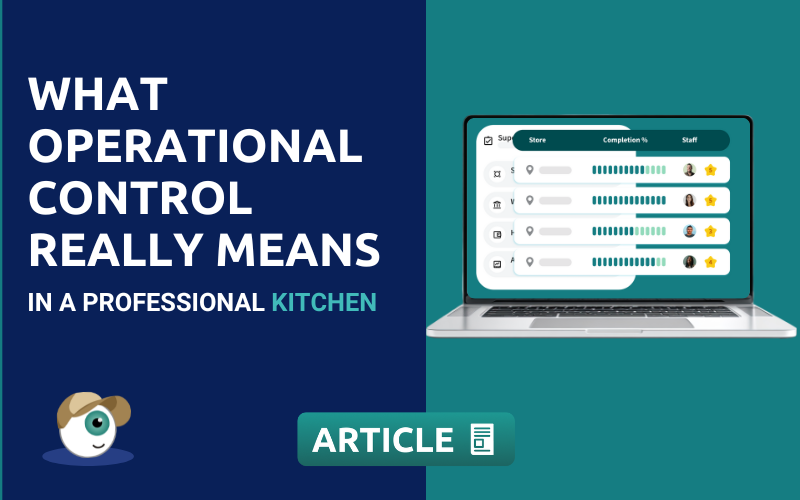
When people talk about operational control in professional kitchens, they often think of constant supervision, pressure on the team, or endless checks.
However, real operational control has nothing to do with monitoring people. It is about making sure processes work consistently, regardless of who is on shift.
True operational control is structural. It does not depend on individual experience or team memory. It depends on having processes that are clearly defined, guided, and consistently documented.
Operational control in the kitchen: controlling processes, not people
A kitchen is not under control just because “everything works when the usual manager is there.”
It is under control when the system supports operations even under pressure, during staff rotation, or at peak service times.
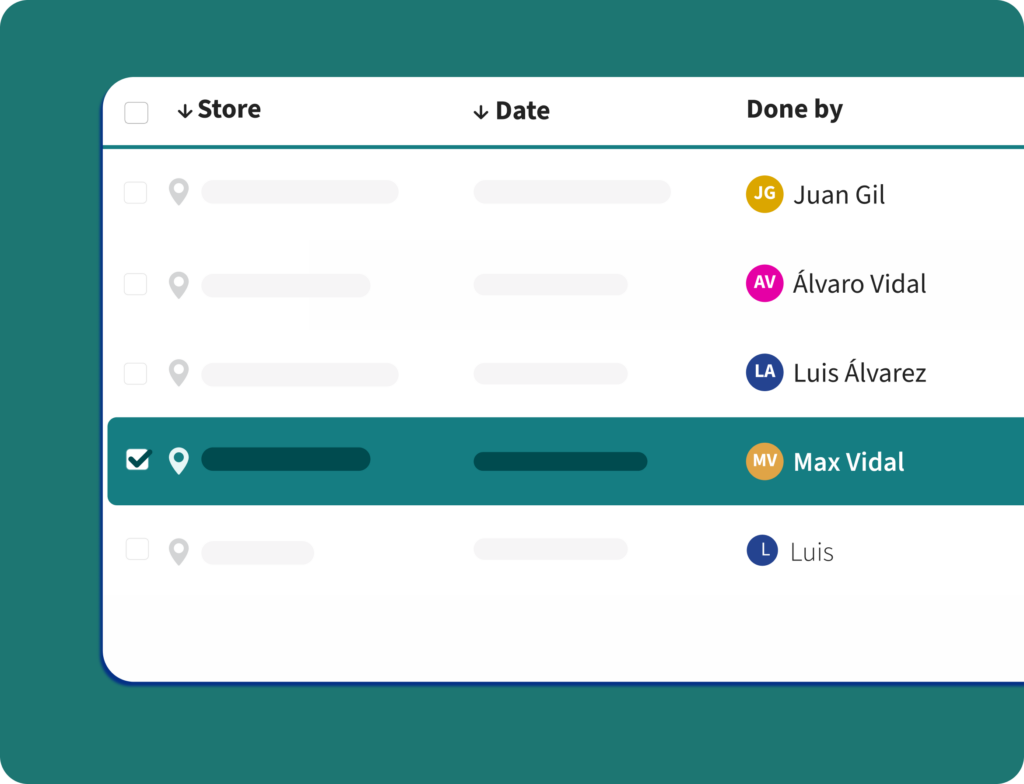
When records are completed correctly without reminders, when expiry dates are managed consistently, and when incidents are detected and documented in real time, control stops being personal and becomes operational.
That is where process digitalisation makes the real difference.
Reactive control vs continuous control in the kitchen
In many kitchens, control is still reactive.
Checks happen only after a problem appears: an audit, an inspection, or an obvious issue during service. The result is a model based on late corrections, operational stress, and unnecessary risk.
Continuous control, on the other hand, works differently.
Processes are active at all times. The system guides the team, automatically records what happens, and detects deviations before they turn into real problems.
Instead of “checking afterwards,” continuous control allows teams to prevent issues while work is happening.
What it really means to have continuous control in a kitchen
Having continuous control does not mean adding more tasks. It means designing tasks better. The team knows what to do, when to do it, and how to record it, without improvisation or different interpretations from one shift to another.
In this approach, control is built into the workflow itself. That is where digital tools make the difference.
- Guided digital records that ensure tasks are completed correctly and consistently
- Structured HACCP management that standardises food safety processes across shifts and locations
- Real-time incident management to detect, document, and resolve issues as they happen
- Clear internal expiry labelling that removes guesswork and reduces food safety risks
- Temperature sensors with alerts that monitor critical points automatically and continuously
Together, these tools allow control to become a natural part of daily operations, rather than an extra burden for the team.
This is where Andy acts as an operational co-pilot. It does not replace the team; it supports them, ensuring processes are followed consistently and remain fully traceable.
Operational control and peace of mind: the invisible benefit
A system with continuous control reduces errors, but it also reduces something just as important: mental load. When teams do not have to remember everything or “fix it later,” they work with greater confidence and less pressure.
For the business, this means fewer incidents, better inspection readiness, greater consistency across locations, and a solid foundation for scaling operations without losing control.
Operational control in the kitchen: the foundation for growth without improvisation
In professional food service, especially in multi-site operations, operational control is not an extra. It is the foundation that allows businesses to grow without relying on heroes or constantly putting out fires.
Control is not about surveillance.
Control is about designing processes that work every single day.
That is exactly where digitalisation with Andy turns control into something continuous, quiet, and reliable.
