

Cyberattacks on refrigeration systems: why independent temperature monitoring matters
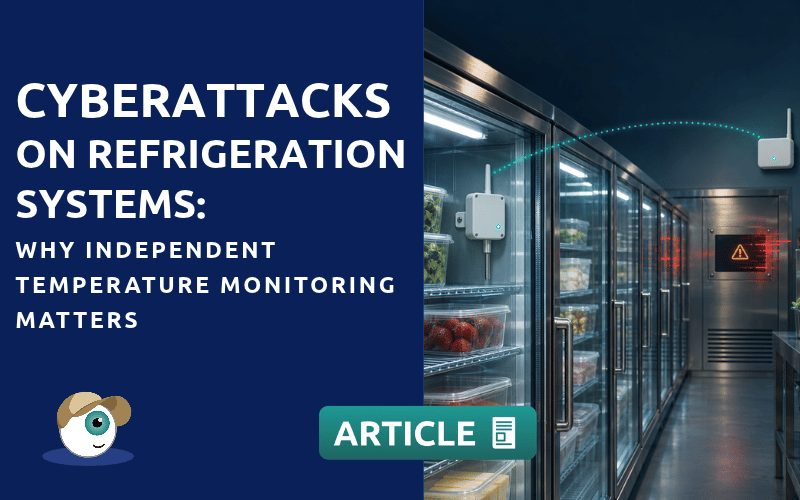
Recent cyberattacks on supermarket refrigeration systems in France, Belgium and other European countries have brought a critical operational risk into focus. The attacks targeted the cooling itself, disrupting the conditions in which food was stored.
They raise a question that matters to every store and kitchen, whether the cause is a cyberattack, a technical failure or a door left open: who keeps an eye on your refrigeration system?
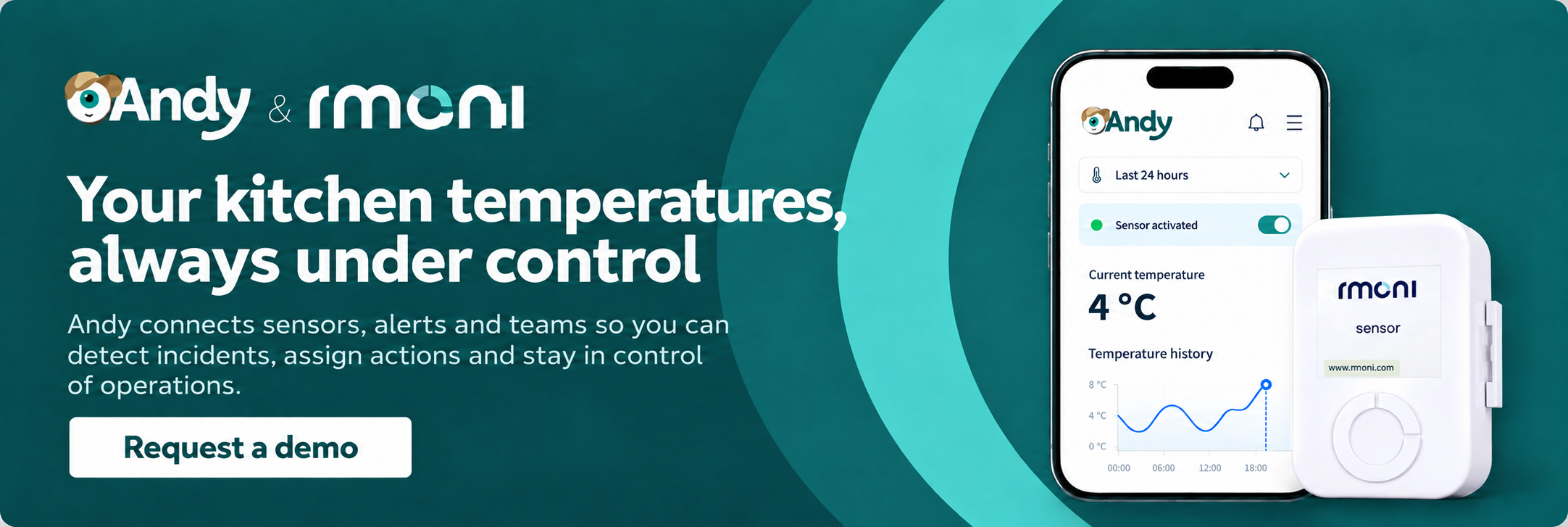
Andy integrates temperature monitoring from rmoni, our sister company within CHR Group, to help teams detect deviations and coordinate their response.
What happened?
Attackers gained access to electronic controllers used to manage refrigeration installations. These controllers were directly accessible over the internet. Once inside, the attackers activated defrost mode, causing temperatures in refrigerated cabinets to rise.
The equipment followed the instructions it received, even though those instructions put stored products at risk.
Why can an attack like this go unnoticed?
In some stores and kitchens, the refrigeration controller performs two functions: regulating the cooling and providing temperature information.
If that controller is compromised, its readings or alarms may become unreliable. A similar dependency can arise during a technical failure: when cooling, temperature recording and alarms share the same controller, software or connection, a single incident can affect several functions at once.
This can leave teams without reliable information about storage conditions, making it harder to assess affected products and reconstruct what happened.
What does independent temperature monitoring mean?
Independent monitoring measures temperature through a separate system, with its own sensors and communication path, without controlling the refrigeration installation.
Andy works with rmoni sensors to provide this additional layer of visibility.
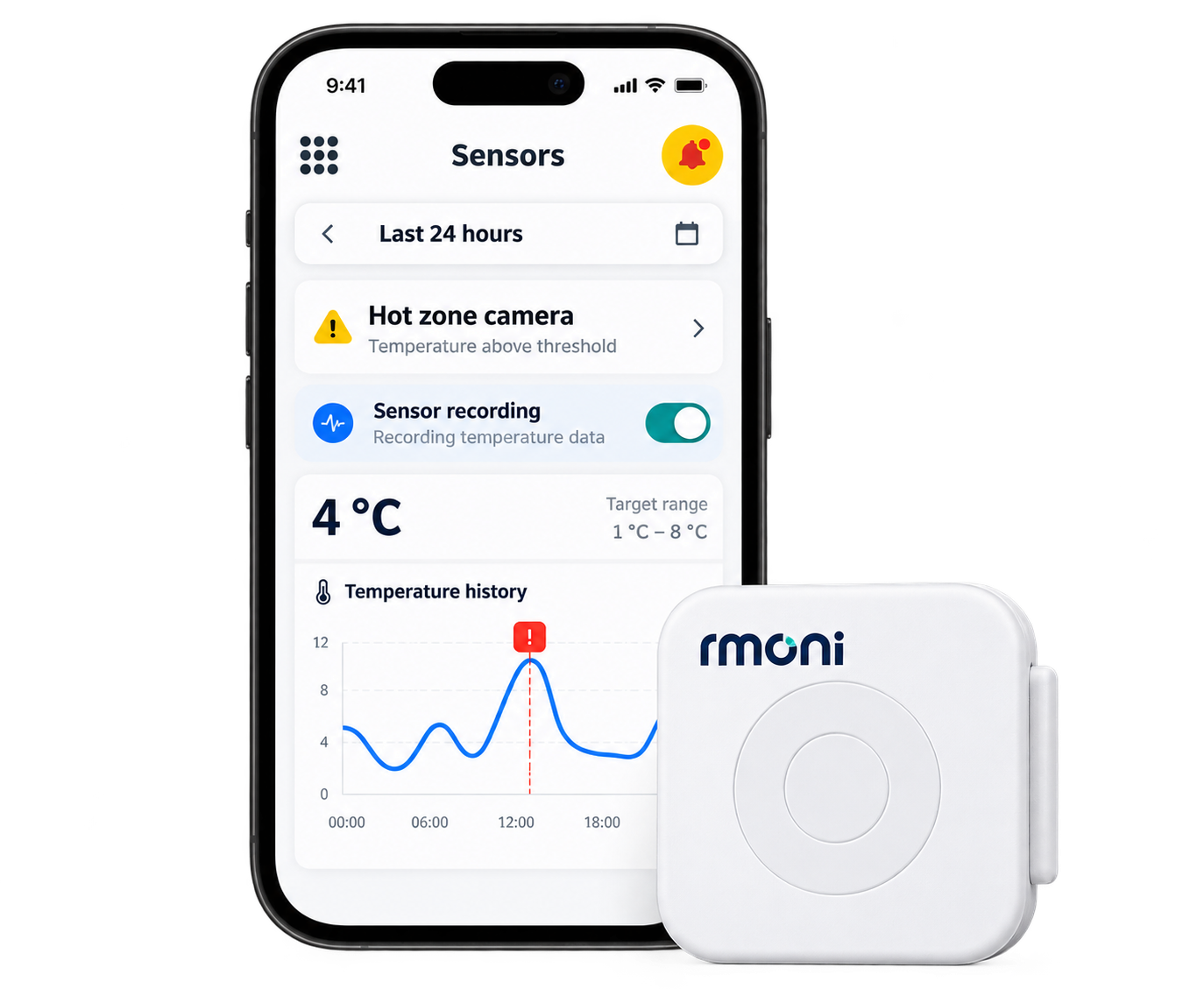
The sensors measure temperatures using their own probes and communicate with a dedicated rmoni gateway through a separate Zigbee network.
This monitoring system cannot:
- Switch refrigeration equipment on or off.
- Activate a defrost cycle.
- Change the refrigeration controller’s settings.
Its role is to measure actual conditions and detect deviations.
Through the integration with Andy, teams can consult temperature readings and historical data alongside their other food safety information, helping connect monitoring with incident management and follow-up.
Because the measurement does not depend on the refrigeration controller, it can detect a temperature rise even when that controller has been manipulated, provided the independent monitoring system remains operational.
Depending on the rmoni services and alarm profiles configured, notifications can be delivered by email, SMS or voice call.
Independent monitoring does not prevent a cyberattack. It provides a separate way to detect temperature deviations and alert the people responsible for responding.
How is the rmoni monitoring system secured?
The rmoni monitoring platform includes several safeguards:
- Separate sensor communication. Sensors communicate with the gateway through a Zigbee network.
- Communication-loss alerts. If a sensor or gateway fails, or communication is interrupted, system alarms can notify the relevant users when configured.
- Controlled access. Changes to alarms and settings require an authenticated user with the appropriate permissions.
- Recorded changes. Changes are logged to support traceability.
- Two-factor authentication. The rmoni platform supports an additional layer of account protection.
These measures support the monitoring system’s security and reliability. Correct configuration, access management and regular testing remain essential.
An alarm needs a clear response
Effective monitoring depends on clear responsibilities as well as technology.
Who receives an alarm at night? Who takes over during holidays? What can the team do immediately, and when should a technician be called?
Agree on these responsibilities before an incident occurs. Keep alarm recipients up to date and test the notification chain regularly, including outside normal working hours.
The integration between Andy and rmoni helps teams connect temperature information with operational follow-up. Readings and historical data provide context for investigating an incident, documenting the response and assessing products that may have been affected.
What can you do today?
Review remote access to refrigeration equipment
Ask your refrigeration supplier to check whether controllers are directly accessible over the internet. Remote maintenance should use a secure connection and individual credentials, with default passwords replaced.
Know who has access
Maintain an inventory of connected equipment and suppliers with remote access. Include software updates and access reviews in maintenance arrangements.
Prepare your team
Define what happens when a cabinet or cold room warms up: who receives the alert, who checks conditions, where products can be moved and who assesses their safety under your food safety procedures.
Check the independence of your monitoring
Confirm whether temperature measurements and alarms depend on the refrigeration controller. Consider the power supply, gateway and internet connection too: separate sensors can still share infrastructure that may fail.
Test the full response chain
Check that a deviation generates the expected notification, reaches the right person and leads to a documented response. Include nights, weekends and holiday cover.
A separate view of conditions, a coordinated response
Independent temperature monitoring provides an additional source of information when refrigeration controls fail or become unreliable.
By combining rmoni’s sensor technology with Andy’s food safety and kitchen operations platform, teams can follow temperatures, investigate deviations and coordinate action across their sites.
Want to understand how Andy and rmoni could support your operation?